
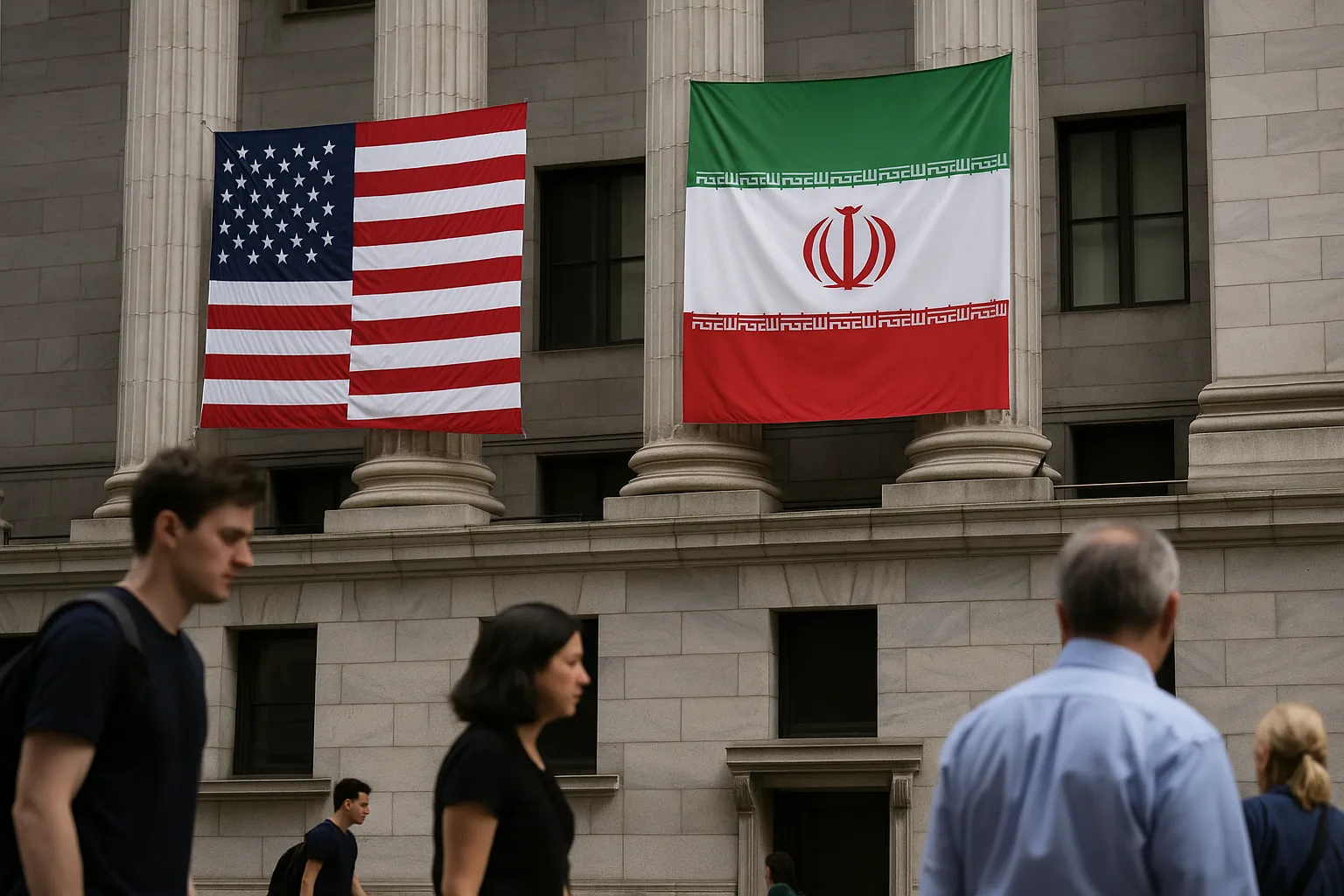
The release of details from a new U.S.-Iran memorandum of understanding has prompted traders to sharply discount the odds of a comprehensive peace deal being reached in the near term. The agreement, signed electronically on Wednesday, kicks off a 60-day negotiation period for a final pact, but the sheer number of unresolved issues has pushed the market-implied timeline for a resolution further into the future.
In the session on Thursday, June 18, 2026, the contract on the Kalshi exchange for a deal to be reached "Before October" fell 25 percentage points to 27%, down from 52% a day prior. The repricing reflects growing skepticism among traders that the two sides can forge a final settlement within the ambitious two-month window. The probability distribution shows a clear pattern: odds for a deal in the coming months have fallen dramatically, while contracts for a deal by 2028 or later have seen modest gains, suggesting a significant delay in expectations.
Distribution Analysis
The shift in probability was concentrated in contracts with deadlines in 2026 and 2027, all of which declined. In contrast, the two longest-dated contracts saw small increases on comparatively low volume.
| Outcome | Current Prob | Change | Volume |
|---|---|---|---|
| Before July | 2% | -20.0pp | 976,167 |
| Before August | 8% | -24.0pp | 146,205 |
| Before September | 19% | -18.0pp | 130,338 |
| Before October | 27% | -24.0pp | 23,125 |
| Before November | 38% | -18.0pp | 27,834 |
| Before December | 44% | -10.0pp | 2,125 |
| Before 2027 | 47% | -14.0pp | 24,725 |
| Before 2028 | 76% | +6.0pp | 915 |
| Before Jan 20, 2029 | 77% | +1.0pp | 2,647 |
Net: 7 of 9 contracts declined on a total of 1,330,519 in volume, shifting the implied timeline for a comprehensive deal significantly later.
What's Driving the Shift
The market repricing appears to be a direct reaction to the substance of the interim agreement, which underscores the difficulty of the negotiations ahead.
A Deal to Make a Deal: The memorandum is not a final peace agreement but rather a framework to begin negotiations. Multiple reports confirm the MOU kicks the hardest issues down the road, including the ultimate fate of Iran's enriched uranium stockpile, the future of its enrichment capabilities, and the schedule for lifting U.S. sanctions. The market is pricing in the high probability that these complex talks will extend well beyond the initial 60-day period.
Ambitious Timeline: Analysts have expressed skepticism that a lasting pact can be achieved in just two months. For context, the Obama administration's 2015 nuclear deal took approximately 20 months to negotiate. The current U.S. team faces veteran Iranian negotiators, and the wide gap on core issues suggests a drawn-out bargaining process is more likely than a swift resolution.
Uncertain Commitments: The text of the agreement commits Iran to "downblending" its highly enriched uranium, but the technical details remain to be worked out. Similarly, while the U.S. agrees to facilitate a $300 billion reconstruction plan, the language in the agreement is opaque, raising political questions. This lack of concrete, immediate resolution on the most critical points appears to have tempered traders' initial optimism.
Market Context
The trading volume provides a clear signal of market conviction. The contracts for a deal "Before July" and "Before August" saw the sharpest declines and traded on the highest volume, indicating a strong consensus that an agreement is not imminent. The drop in near-term odds reflects a classic "buy the rumor, sell the news" event; while the announcement of an initial deal was anticipated, the details revealed a longer and more arduous path to a final settlement than previously priced in.
The slight rise in the "Before 2028" and "Before Jan 20, 2029" contracts suggests that traders have not given up on an eventual deal within President Trump's current term. Rather, they have reallocated probability from the near term to the longer term, effectively pricing in a delay of several months or even years.
What to Watch
The 60-day negotiation clock begins following a formal signing ceremony planned for Friday in Switzerland. Traders will be closely watching for statements from U.S. and Iranian negotiators for any signs of early progress or deadlock. The primary hurdles, as outlined by analysts, remain the verification of Iran's nuclear program, the sequencing of sanctions relief, and regional security issues, including the role of Hezbollah. Any reports related to these sticking points are likely to drive the next significant moves in this market.
