
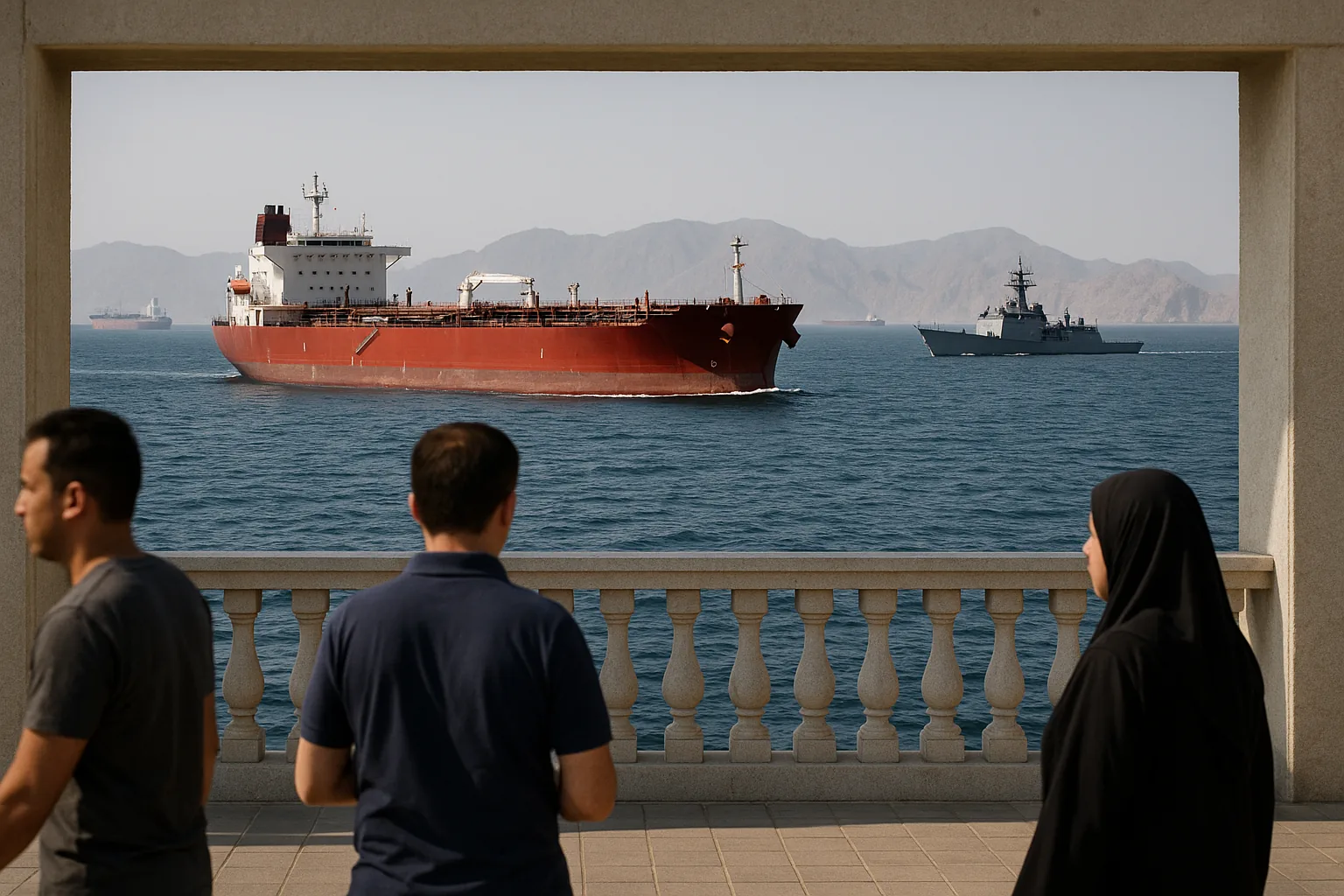
Reports on Thursday of a potential U.S.-Iran deal to reopen the Strait of Hormuz, coupled with news of a U.S.-assisted increase in "shadow fleet" vessel transits, prompted a significant repricing in markets betting on when the critical waterway will return to normal. On the Kalshi exchange, the contract for normalization "Before Aug 1, 2026" saw its implied probability jump 18 percentage points to 39% in the June 11, 2026 session, on heavy volume of over 209,000 contracts traded. The move led a broad shift across the market, pulling the consensus timeline for a full reopening from 2027 firmly into the second half of 2026.
The sharp rally in near-term contracts challenges a more pessimistic consensus established just weeks ago. In late May, energy officials including the CEO of UAE state oil firm ADNOC warned that a full recovery of oil flows was unlikely before the first or second quarter of 2027, even if the conflict ended immediately. The U.S. Energy Information Administration (EIA) echoed that sentiment, forecasting in its June outlook that a return to pre-conflict traffic levels would not occur until early 2027. Thursday's trading action suggests traders are now betting that diplomatic and quasi-military efforts are accelerating that timeline.
Distribution Analysis
| Outcome | Current Prob | Change | Volume |
|---|---|---|---|
| Before Jun 15, 2026 | 1% | -1.0pp | 91,206 |
| Before Jul 1, 2026 | 16% | +13.0pp | 673,021 |
| Before Aug 1, 2026 | 39% | +18.0pp | 209,913 |
| Before Sep 1, 2026 | 45% | +14.0pp | 68,010 |
| Before Oct 1, 2026 | 54% | +8.0pp | 35,272 |
| Before Nov 1, 2026 | 61% | +6.0pp | 15,162 |
| Before Dec 1, 2026 | 63% | +4.0pp | 6,487 |
| Before Jan 1, 2027 | 73% | +2.0pp | 20,880 |
| Before Apr 1, 2027 | 80% | +7.0pp | 4,520 |
| Before Jul 1, 2027 | 84% | +3.0pp | 16,688 |
Net: 9 of 10 contracts rose on over 1 million in total volume, shifting the implied timeline for normalization firmly into the second half of 2026.
What's Driving the Shift
Potential U.S.-Iran Deal: The primary catalyst appears to be growing speculation about a diplomatic breakthrough. Iranian state media reported a proposed U.S.-Iran deal would reopen the Strait of Hormuz and lift oil sanctions. Lars Barstad, CEO of tanker company Frontline, told CNBC on June 11 he was "very optimistic" that transits would resume pretty quickly if a credible agreement were reached, noting that some shipping companies have already positioned tankers near the Gulf to capitalize on a potential reopening.
U.S.-Assisted 'Shadow Fleet' Transits: A June 11 report in Foreign Policy detailed how many ships are now transiting the strait by turning off their transponders and hewing to an unconventional route that skirts the Omani coast. This "quasi-opening," reportedly facilitated by the U.S. Navy, allows some vessels to bypass the toll system and patrols that Tehran has established. While far from a return to normal, these "dark" transits represent a tangible increase in activity and a potential workaround to the blockade.
Challenging the 2027 Timeline: The market's rapid repricing marks a direct break from the more cautious forecasts issued by industry leaders and energy agencies in May. Both ADNOC CEO Sultan Al Jaber and Saudi Aramco CEO Amin Nasser had warned that logistical hurdles meant oil markets might not fully recover before 2027. The EIA's models similarly assumed a slow, multi-month ramp-up. The surge in probability for a 2026 normalization indicates traders are pricing in a faster resolution than these official analyses had projected.
Market Context
The Strait of Hormuz, a chokepoint for about a fifth of the world's oil supply, has operated under severe restrictions since late February 2026, creating what the International Energy Agency called the largest energy supply crisis in modern history. While not entirely closed, commercial traffic has been a fraction of its normal volume, with Iran establishing controls over shipping movements.
Recent data underscores the gap between the current situation and a full reopening. As of June 7, IMF PortWatch data showed just two commercial transits through the strait, compared to a pre-crisis baseline of 94 per day. The market's move on June 11 reflects a bet that this dismal status quo is about to change, driven by a combination of diplomatic progress and operational workarounds.
What to Watch
Traders will be closely monitoring any official announcements regarding a U.S.-Iran agreement, with some reports suggesting a deal could be signed on the sidelines of next week's G7 summit. The key verification will be hard data on vessel transits. An increase in official transit counts from sources like IMF PortWatch, beyond the current "dark fleet" activity, would be needed to validate the market's newfound optimism. The market itself is set to resolve based on data from the Statistical Review of World Energy, with a final closing date of July 1, 2027.
