
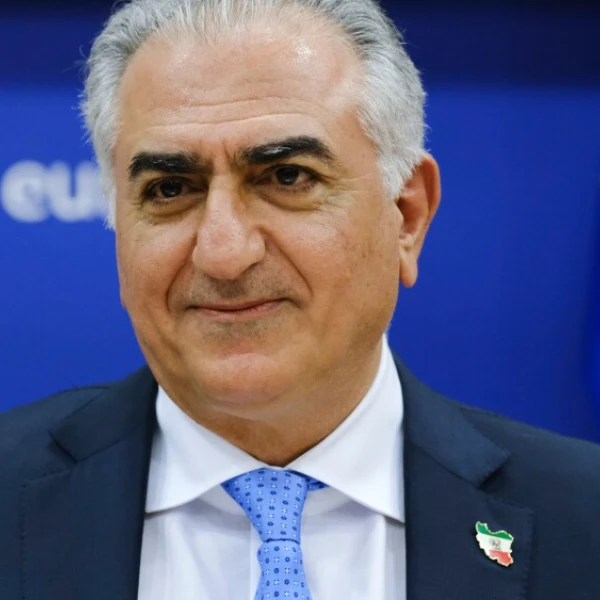
Will the United States recognize Reza Pahlavi as the leader of Iran in 2026?
Yes refers to: Before 2027
Short Answer
1. Executive Verdict
- The U.S. government has no official policy recognizing Reza Pahlavi.
- Reza Pahlavi has not secured concrete U.S. diplomatic actions through 2026.
- Mojtaba Khamenei commands robust, institution-backed support predominantly within Iran.
- Neither U.S. party platform directly addresses Reza Pahlavi's recognition.
- An Iranian regime breakdown could prompt a U.S. policy shift toward recognition.
- Mojtaba Khamenei's incapacitation may compel a U.S. policy shift.
Who Wins and Why
| Outcome | Market | Model | Why |
|---|---|---|---|
| Before 2027 | 12.0% | 12.0% | The U.S. rarely recognizes opposition figures without a fundamental shift in the existing regime. |
Current Context
2. Market Behavior & Price Dynamics
Historical Price (Probability)
3. Market Data
Contract Snapshot
The market resolves to YES if the United States government officially and explicitly recognizes Reza Pahlavi as the rightful or legitimate leader of Iran before January 1, 2027. If this recognition does not occur, the market resolves to NO and closes by December 31, 2026, at 11:59 pm EST. Insider trading by employees of specified source agencies or those with material, non-public information is prohibited.
Available Contracts
Market options and current pricing
| Outcome bucket | Yes (price) | No (price) | Last trade probability |
|---|---|---|---|
| Before 2027 | $0.12 | $0.91 | 12% |
Market Discussion
Traders are primarily discussing the strategic implications of potential U.S. recognition for Reza Pahlavi's legitimacy within Iran. Key arguments against recognition highlight that it would likely harm Pahlavi's credibility among Iranians by making him appear as a foreign imposition, and note the current Iranian regime's resilience despite recent events. While some suggest recognition would be the "best option" for U.S. and Israeli interests, the prevailing sentiment and market pricing lean heavily towards "No," indicating a lack of perceived imminent regime collapse or beneficial strategic incentive for such a move.
4. What domestic political events in Iran, such as a succession crisis, could compel a U.S. policy shift toward recognizing Reza Pahlavi before 2027?
| Mojtaba Khamenei became Supreme Leader | early March 2026 [^] |
|---|---|
| Nationwide protests occurred | December 2025 to March 2026 [^][^][^] |
| Reza Pahlavi favorability (prior poll) | 31% [^][^][^] |
5. What is the official stated policy of the U.S. State Department and White House on recognizing opposition figures in Iran, specifically Reza Pahlavi, heading into 2026?
| US Recognition of Reza Pahlavi in 2026 | No public policy text found [^] |
|---|---|
| President Trump's Stance on Pahlavi | Expressed skepticism about his ability to garner support [^], [^] |
| Pahlavi's Contact with Trump Admin | Stated he had been in contact [^] |
6. How does Reza Pahlavi's level of organized support within Iran and the diaspora compare to that of potential establishment successor Mojtaba Khamenei?
| Mojtaba Khamenei Support Base | Strong, organized, establishment-wide within Iran (includes IRGC, army, religious authorities) [^] |
|---|---|
| Reza Pahlavi Popularity | Significant support within Iran based on polling indications [^] |
| Reza Pahlavi Internal Organization | Lacks evidence of an organization 'within Iran' [^] |
7. What concrete diplomatic actions has Reza Pahlavi secured from U.S. legislators or allied governments between 2024 and 2026 that signal a pathway to formal recognition?
| H.Res. 166 Introduction | February 26, 2025 [^][^] |
|---|---|
| Sen. Graham-Pahlavi Meeting | January 15, 2026 [^] |
| US Senate Resolutions 2026 Focus | Condemned Iranian human rights violations [^][^] |
8. Based on party platforms, how would a Republican versus a Democratic administration after the 2024 U.S. election differ in their approach to Reza Pahlavi through 2026?
| Republican Platform on Reza Pahlavi | Not explicitly mentioned or committed to recognize by 2026 [^][^] |
|---|---|
| Democratic Platform on Reza Pahlavi | Not explicitly mentioned or committed to recognize by 2026 [^][^] |
| Trump's View on Pahlavi's Backing | Expressed skepticism in January about ability to gain public backing [^] |
9. What Could Change the Odds
Key Catalysts
Key Dates & Catalysts
- Expiration: January 08, 2027
- Closes: January 01, 2027
10. Decision-Flipping Events
- Trigger: A significant shift in market probability could occur with a complete breakdown of the current Iranian regime, accompanied by a strong and unified opposition movement that unequivocally supports Pahlavi as a transitional leader, potentially increasing his international legitimacy and the likelihood of U.S.
- Trigger: Recognition [^] [^] [^] .
- Trigger: An explicit and consistent U.S.
- Trigger: Policy that names Pahlavi as a preferred transitional leader, backed by diplomatic and financial efforts, would also be a crucial factor [^] [^] .
12. Historical Resolutions
No historical resolution data available for this series.
