
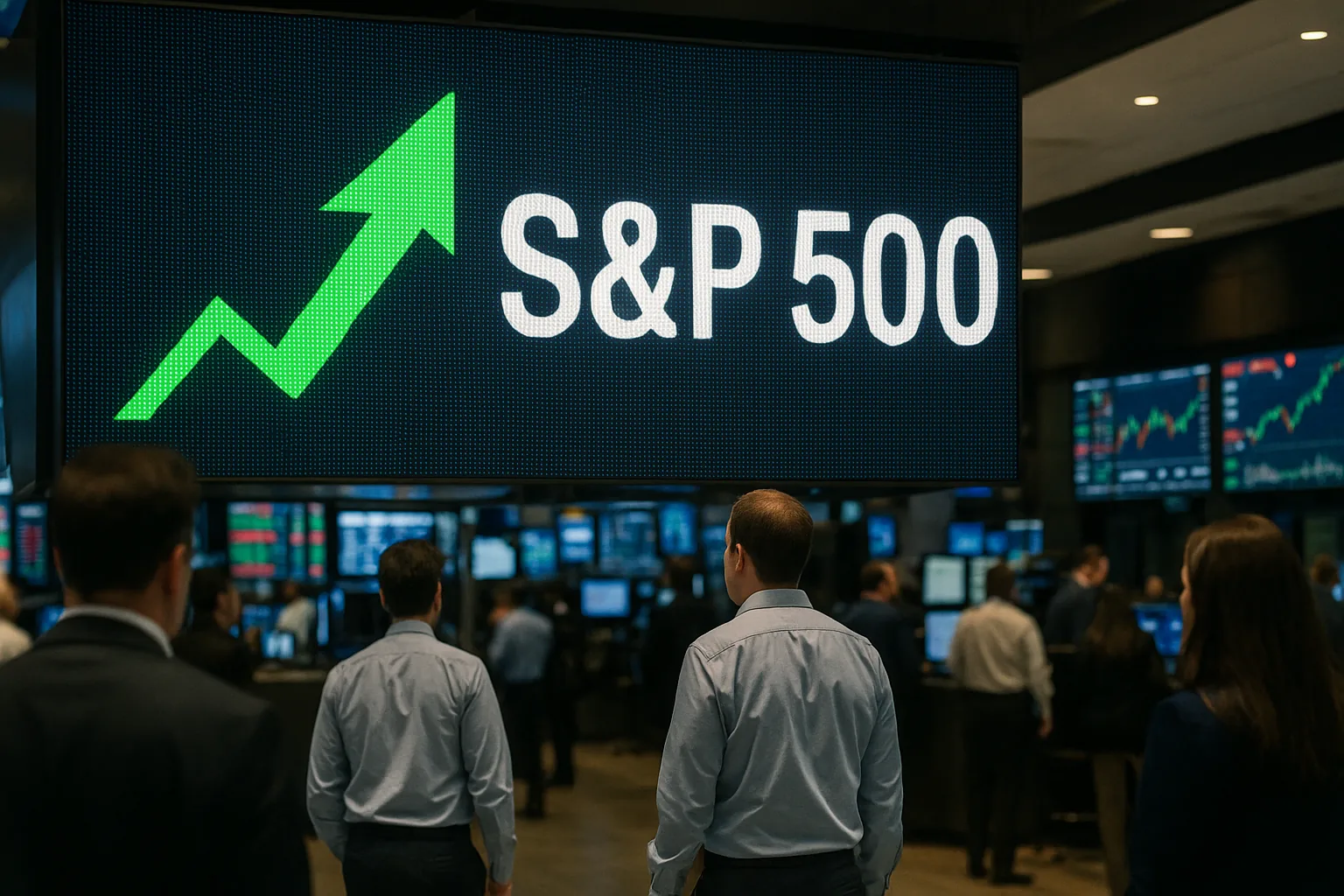
A powerful combination of upgraded corporate earnings forecasts and a landmark U.S.-Iran peace framework has bolstered trader confidence in the U.S. stock market's performance for 2026. In the session on Monday, June 21, 2026, contracts on the Kalshi exchange pricing a positive year-end finish for the S&P 500 saw their implied probability spike 11 percentage points to 75%, up from 64%. The move signals that traders are increasingly betting the index will hold onto its substantial year-to-date gains through the second half of the year.
The repricing follows a week in which a major geopolitical risk was seemingly neutralized and influential analysts grew more bullish on corporate profitability. The S&P 500 is already up approximately 9.6% for the year as of its last close, meaning the market is pricing a high probability that the index will avoid a significant correction before year-end.
Distribution Analysis
This is a binary market with a single contract for a "Positive Growth" outcome. The significant increase in probability occurred on meaningful volume, indicating a strong shift in market consensus.
| Outcome | Current Prob | Change | Volume |
|---|---|---|---|
| Positive Growth | 75% | +11.0pp | 9,243 |
Net: The market's single contract rose, reflecting a decisive shift toward higher conviction that the S&P 500 will finish 2026 in positive territory.
What's Driving the Shift
The notable increase in bullish sentiment appears to be driven by a confluence of positive fundamental and geopolitical developments that have reduced perceived risks for equities.
Upgraded Earnings Outlook: The market’s confidence is underpinned by an increasingly robust corporate profit outlook. In late May, Goldman Sachs Research raised its S&P 500 forecast for year-end 2026 to 8,000, citing upgraded earnings-per-share estimates driven by an "investment boom in artificial intelligence infrastructure." This reflects a wider Wall Street consensus, with many analysts anticipating another acceleration in earnings growth in 2026, providing a solid foundation for equity gains.
Geopolitical De-escalation: A primary catalyst for the repricing was the U.S.-Iran peace framework signed on June 15. The deal, which aims to reopen the Strait of Hormuz, prompted a broad rally in risk assets as it lowers the threat of an oil price shock and eases inflationary pressures. The removal of this significant tail risk appears to have given traders more confidence in the economic outlook for the remainder of the year.
Market Resilience: Despite a more hawkish-than-expected "dot plot" from the Federal Reserve at its June meeting, the stock market has continued to climb. This suggests investors are weighing the strong earnings environment more heavily than potential monetary policy tightening. According to RBC Wealth Management, corporate earnings have been the great stabilizer for a market that has consistently climbed a "wall of worry" throughout the year.
Market Context
This prediction market resolves to "Yes" if the S&P 500's official closing value on the last trading day of 2026 is higher than its 2025 closing value of 6,845.50. The index closed at 7,500.58 on June 18, placing it well into positive territory for the year.
For this contract to settle at "No," the S&P 500 would need to fall more than 8.7% from its current level by December 31. The 75% probability assigned by traders, therefore, reflects a strong belief that the index will successfully defend most of its existing gains. While analysts at Morgan Stanley note that political and geopolitical risks are mounting, the current market pricing indicates these are seen as manageable.
What to Watch
The contract will settle based on the S&P 500's final closing price for 2026, with the market closing on December 31. Key events that will influence pricing for the remainder of the year include quarterly corporate earnings reports, future Federal Reserve policy decisions, and the November midterm elections, which have historically been a source of market volatility. The successful implementation of the U.S.-Iran peace framework and its impact on energy prices and inflation will also be a critical factor for market participants.
