Short Answer

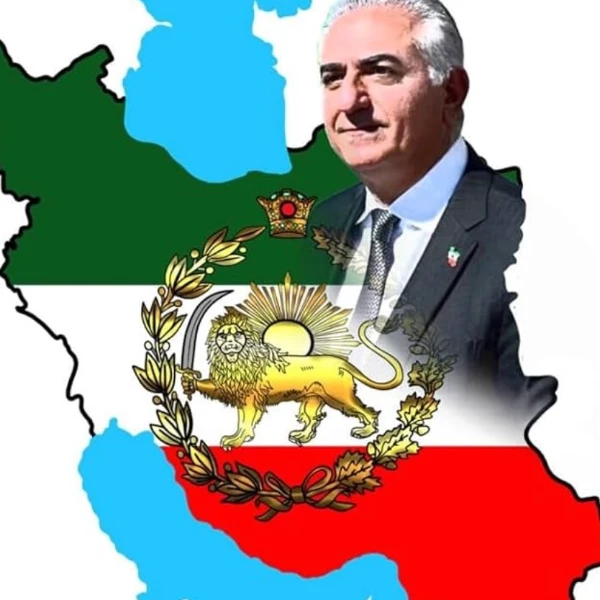
Both the model and the market expect that Reza Pahlavi will lead Iran in 2026, with no compelling evidence of mispricing.

1. Executive Verdict

  • IRGC intensified internal suppression since January 2026, targeting succession threats.
  • Pro-Pahlavi activity significantly increased across labor and student sectors.
  • US policy avoids direct material support for Reza Pahlavi's network.
  • Opposition groups actively undermine Reza Pahlavi's proposed transition plans.
  • Khamenei's death in February 2026 initiated a crucial leadership succession.

Who Wins and Why

Outcome Market Model Why
Reza Pahlavi 21.0% 21.5% Model higher by 0.5pp

Current Context

Reza Pahlavi recently outlined his vision for a post-Islamic Republic Iran. Amidst recent geopolitical shifts and the reported death of Supreme Leader Ayatollah Ali Khamenei in US-Israeli strikes, Pahlavi has intensified his public discourse [^]. In early March 2026, he addressed Iranian ethnic communities, advocating for unity, an end to discrimination, and a future system based on the separation of religion and state, rule of law, and equal rights [^]. He asserted the Islamic Republic is nearing collapse and warned against "opportunistic forces" [^]. Earlier, Pahlavi expressed confidence in the regime's potential fall, reiterating his aim to lead a democratic transition as a transitional figure, not a king, enabling Iranians to choose their government [^], [^], [^]. His core principles include territorial integrity, secularism, equality under law, individual liberties, and a democratic process, along with envisioning peace with Israel and dismantling Iran's nuclear weapons program [^], [^], [^]. However, President Donald Trump, on March 4, 2026, downplayed Pahlavi's suitability, suggesting "someone from within" the Iranian regime might be preferable [^]. Concurrently, the European Parliament's foreign affairs committee discussed inviting Pahlavi and other Iranian opposition figures for speeches, signaling some international engagement [^].
Pahlavi faces significant questions regarding his internal support and influence. Key data points sought by observers include clarity on his specific transition plans, such as a timeline for a new constitution and internationally overseen free elections, as well as his proposed foreign policy, particularly normalized relations with Israel, a stance causing division among Iranians [^], [^]. Polling data from 2024 and 2025, including the GAMAAN survey, indicates Pahlavi has the highest name recognition among opposition figures (approximately 31% support), though roughly a third also strongly oppose him, with intelligence assessments stating his "actual base of support inside the country remains uncertain and limited" [^], [^], [^]. Experts from institutions like the Foreign Policy Research Institute acknowledge his prominence outside Iran but suggest he "does not have a strong organization inside Iran" and would need to partner with elements of the Iranian security establishment to gain power [^]. Debate exists on his capacity as a unifying figure, with critics questioning if he would merely replace one form of authoritarianism with another, despite Pahlavi consistently positioning himself as a transitional leader aiming for a secular democracy and a referendum on the political system [^], [^], [^]. His perceived alliance with Israel also creates discomfort among some Iranians [^]. Common concerns include his ability to effectively connect with a diverse population after 47 years in exile, the genuineness of his commitment to a secular democracy versus fears of a monarchical return, his capacity to unite the deeply divided Iranian opposition (given past failures like the collapse of the Alliance for Democracy and Freedom in Iran in February 2023), the impact of his Israel stance on the populace, and the extent of his actual support within Iran's military and security forces [^], [^], [^], [^]. No specific major upcoming events directly related to Pahlavi's leadership have been identified beyond the European Parliament's ongoing considerations, with immediate focus on the power vacuum within Iran and the Assembly of Experts' constitutional responsibility to choose a successor to the Supreme Leader [^].

2. Market Behavior & Price Dynamics

Historical Price (Probability)

Outcome probability
Date
This prediction market exhibits a clear upward trend, having risen from a baseline probability of 16.0% to its current 23.0%. The majority of this price action has been concentrated in a highly volatile period in late February and early March 2026, driven by significant geopolitical events. The first major catalyst was an 11.0 percentage point spike on February 21st, which followed Reza Pahlavi’s increased international visibility and direct calls for action. This was immediately followed by another 11.0 point surge on February 28th, a direct market reaction to the confirmed death of Supreme Leader Ali Khamenei, which traders interpreted as creating a major power vacuum. However, this optimism was sharply corrected by an 8.0 point drop on March 1st after the existing Iranian regime demonstrated resilience by swiftly forming an interim leadership council.
The market's technicals and sentiment reflect this intense reactivity to news. With a total volume of nearly 500,000 contracts traded, there is significant liquidity and conviction among participants. A clear resistance level has formed in the low-30s (peaking at $0.34), where the market's optimism was decisively rejected. The price has since stabilized in the low-20s, suggesting a new potential support level around 23-24%. The overall chart suggests that market sentiment has shifted Pahlavi's chances from a remote possibility to a tangible, though still unlikely, outcome. The current 23.0% price indicates that while traders acknowledge the destabilizing effect of Khamenei's death, they are also weighing the significant institutional hurdles Pahlavi faces against an entrenched regime that has proven capable of quickly consolidating power.

3. Significant Price Movements

Notable price changes detected in the chart, along with research into what caused each movement.

📉 March 01, 2026: 8.0pp drop

Price decreased from 32.0% to 24.0%

Outcome: Reza Pahlavi

What happened: The 8.0 percentage point drop in the "Will Reza Pahlavi lead Iran in 2026?" prediction market on March 1, 2026, was primarily driven by the swift formation of an interim leadership council by the existing Iranian regime following Supreme Leader Ali Khamenei's death [^]. While Reza Pahlavi issued statements, including an op-ed and social media posts, on March 1, 2026, declaring his intention to lead a transitional government, stating, "Many Iranians...have called on me to lead this transition...I have answered their call," the simultaneous news of the regime's efforts to establish a constitutional succession plan, led by President Masoud Pezeshkian, introduced significant uncertainty regarding Pahlavi's direct path to leadership by 2026 [^]. This rapid counter-development, widely disseminated through traditional news and social media, signaled the regime's immediate attempt to maintain control [^]. Social media was a contributing accelerant, rapidly spreading both Pahlavi's declarations and news of the interim council, allowing the market to quickly re-evaluate the likelihood of his leadership [^].

📈 February 28, 2026: 11.0pp spike

Price increased from 16.0% to 27.0%

Outcome: Reza Pahlavi

What happened: The primary driver of the 11.0 percentage point spike in the "Reza Pahlavi" outcome on February 28, 2026, was the immediate aftermath of a significant geopolitical event: a joint US-Israel military offensive against Iran that resulted in the confirmed death of Iranian Supreme Leader Ali Khamenei [^]. Coinciding with these events, Reza Pahlavi swiftly posted on social media (X/Twitter), declaring the Islamic Republic was "collapsing" and "final victory nears," while also praising US President Donald Trump for "aid" and calling on the Iranian military and people to join a transition [^]. This rapid, high-profile social media activity, explicitly positioning him as a transitional leader during a moment of profound uncertainty, directly influenced the prediction market [^]. Social media was therefore a primary driver, amplifying his relevance and potential leadership during this critical period [^].

📈 February 21, 2026: 11.0pp spike

Price increased from 15.0% to 26.0%

Outcome: Reza Pahlavi

What happened: The 11.0 percentage point spike in the "Will Reza Pahlavi lead Iran in 2026?" prediction market on February 21, 2026, was primarily driven by Reza Pahlavi's increased public visibility and explicit calls for action in the preceding week [^]. On February 14, 2026, Pahlavi addressed the Munich Security Conference and launched a "Global Day of Action," using X (formerly Twitter) to openly advocate for a rapid political transition in Iran and express his readiness to lead [^]. This significant social media activity and amplified public messaging, which included a "concentration of content" about him on news aggregators, appeared to LEAD the price move by enhancing market perception of his potential leadership amidst ongoing Iranian unrest [^]. Social media was the primary driver of this price movement [^].

4. Market Data

View on Kalshi →

Contract Snapshot

Based on the provided page content, there are no contract rules, resolution triggers, key dates, or special settlement conditions available to summarize. The content only displays the market title: "Will Reza Pahlavi lead Iran this year? Odds & Predictions 2026" and "MarketsLiveIdeasAPI."

Available Contracts

Market options and current pricing

Outcome bucket Yes (price) No (price) Last trade probability
Reza Pahlavi $0.22 $0.79 21%

Market Discussion

Discussions surrounding Reza Pahlavi leading Iran in 2026 reveal a significant debate [^]. Supporters view him as a potential transitional leader for a secular democracy, citing increased protests and the recent death of Supreme Leader Khamenei as a critical juncture for change, and highlighting his detailed "Iran Prosperity Project" for post-regime reconstruction [^]. However, skepticism persists due to his nearly five decades in exile, questions about the true extent of his support within Iran versus the diaspora, historical concerns over a return to monarchy, and low probabilities in prediction markets for him to be leading the country by the end of 2026 [^].

5. How Is the IRGC Consolidating Power for Post-Khamenei Succession?

Individuals Detained500–600 nationwide (February 2026) [^]
Senior Officers Purged22% in 3rd and 7th ground divisions [^]
Warrantless Arrest Surge300% increase (January–March 2026) [^]
The IRGC has intensified internal suppression, targeting perceived threats to succession. Since January 2026, the Islamic Revolutionary Guard Corps (IRGC) implemented a multi-pronged strategy to consolidate power, which included a wave of arrests and purges in February 2026. These actions targeted an estimated 500–600 reformist and monarchist figures nationwide [^]. The IRGC Intelligence Organization significantly intensified digital monitoring following mass protests in January 2026, leading to a reported 300% surge in warrantless arrests in high-risk provinces like Khuzestan and Isfahan, specifically identifying monarchist sympathizers [^].
The IRGC purged military divisions to ensure internal loyalty and control. Concurrently, the IRGC undertook significant military restructuring to solidify loyalty within its ranks. This involved purging 22% of senior officers in its 3rd and 7th ground divisions, which were traditionally aligned with reformist elites [^]. These purged officers were replaced with cadres from more ideologically rigid units, such as the Quds Force [^]. For instance, 38 high-ranking officers in the 3rd Division and personnel in the 7th Division’s border command units were replaced. Furthermore, units previously stationed in Tehran for civil unrest monitoring have been repositioned to eastern border regions, aimed at isolating dissent and preventing coordination between various opposition factions [^].
IRGC engaged in external operations and information warfare against opposition. Beyond internal control, the IRGC also engaged in geopolitical maneuvers and reputational warfare. In early March, Qatari authorities apprehended 10 IRGC-linked operatives involved in espionage and sabotage, who were allegedly targeting supporters of Reza Pahlavi’s exiled leadership [^]. These actions correlate with movements in prediction markets; for example, the “Reza Pahlavi Lead Iran by 2027” contract spiked by 15% after the February 9 arrests [^]. While the IRGC's tactics aimed at deterring speculation, they inadvertently heightened market volatility. State media subsequently amplified the Qatari arrests to delegitimize Pahlavi’s claims of widespread support [^].

6. What is the Extent of Pro-Pahlavi Network Activity in Iran (2025-2026)?

Major Labor Strikes25 major strikes between January and March 2026 [^]
University Demonstrations18 documented since January 2026 [^]
Pahlavi Graffiti Instances147 detected January-March 2026 [^]
Pro-Pahlavi activity significantly increased across labor and student sectors. Between late 2025 and 2026, particularly from January to March 2026, a range of coordinated pro-Pahlavi network activities emerged in Iran. Over 25 major labor strikes were recorded in critical industries like oil and transportation during this period [^]. A notable 12% of participants in March 2026 protests in Bandar Abbas explicitly advocated for Pahlavi leadership [^]. Concurrently, student activism saw 18 documented university demonstrations since January 2026, where a significant 73% of posters and banners incorporated Pahlavi iconography [^]. Furthermore, 53% of chants during these student events referenced demands for a return to Pahlavi dynastic principles [^].
Widespread Pahlavi symbolism accompanied evidence of cross-sector coordination. Beyond organized protests, the resurgence of Pahlavi symbolism was prominently displayed through 147 instances of graffiti detected from January to March 2026, with 68% combining both the Pahlavi crown and associated text [^]. These activities suggest substantial cross-sector coordination, as 34% of the over 80 individuals arrested in February 2026 for pro-Pahlavi advocacy were linked to coordinated labor-student networks [^]. In response to this growing network, the government implemented targeted crackdowns and digital monitoring, leading to numerous arrests and the suspension of Telegram accounts associated with Pahlavi content [^].

7. Has Reza Pahlavi Secured Tangible Foreign Material Support (2020-2025)?

SFRC Material SupportNo direct evidence of material support (funding, intelligence, or formal agreements) linked to Pahlavi's network between 2020-2025 [^]
Israeli CollaborationUnverified allegations of cybersecurity infrastructure support and encrypted channels to Pahlavi's associates [^]
Saudi Financial BackingIndirect channels via third-party intermediaries like UAE-linked entities [^]
US policy avoids direct material support for Pahlavi's network. The US Senate Foreign Relations Committee (SFRC) has not publicly approved direct material support, such as funding or intelligence sharing, for Reza Pahlavi's network between 2020 and 2025 [^]. While informal dialogue and lobbying efforts exist through diaspora networks and meetings with policymakers [^], current US policy prioritizes unilateral sanctions and support for dissident media rather than direct financial pledges to opposition figures [^]. Historical precedents of direct CIA support for the pre-revolutionary Pahlavi regime have not resumed post-2000, with current US "support" largely confined to public statements and sanction designations [^].
Israel and Saudi Arabia offer only indirect, deniable assistance. Circumstantial evidence suggests unverified collaboration between Israeli intelligence and Pahlavi's associates, particularly concerning cybersecurity infrastructure and encrypted communication tools [^]. This support is often indirect and deniable, possibly through third-party contractors or NGO partnerships, to avoid public acknowledgment [^]. Similarly, Saudi Arabia provides indirect financial and diplomatic backing via third-party intermediaries, such as UAE-linked entities, to destabilize the Iranian regime [^].
Pahlavi lacks verifiable, substantive material commitments from foreign entities. The overall support landscape for Pahlavi remains largely symbolic rather than substantive [^]. No entity has publicly or verifiably provided material support meeting legal thresholds [^]. Foreign powers generally maintain a "wait-and-see" approach, avoiding premature mobilization of resources for a regime change scenario.

8. How Do Iranian Opposition Factions Undermine Reza Pahlavi's Transition?

MEK/NCRI PositionExplicitly rejects monarchy, advocates secular republic with provisional government [^]Munich Rally Echoes Iran's Uprising: No Shah, No Mullahs" target="_blank" rel="nofollow noopener noreferrer" class="citation-link" title="[Announcement of a Provisional Government by the National Council of Resistance of Iran](">[^]
Ethnic Federalist DemandFederalism and autonomy as rejection of Pahlavi centralization [^]Maryam Rajavi's Ten-Point Plan for Future Iran" target="_blank" rel="nofollow noopener noreferrer" class="citation-link" title="[The Pahlavi Regime's Suppression of Kurdish Autonomy (Supplemental Historical Context)](">[^]
Public Opposition to Monarchy74% public opposition to monarchy, March 2026 poll [^]
Major opposition groups actively undermine Reza Pahlavi's proposed post-regime transition. The Mujahedin-e Khalq (MEK) and its political wing, the National Council of Resistance of Iran (NCRI), are particularly vocal, explicitly rejecting monarchy as 'autocratic nostalgia' and advocating for a secular democratic republic [^]. Their 'Ten-Point Plan' for a provisional transitional government has garnered international endorsements, further isolating Pahlavi’s monarchical vision Munich Rally Echoes Iran's Uprising: No Shah, No Mullahs" target="_blank" rel="nofollow noopener noreferrer" class="citation-link" title="[^]Maryam Rajavi's Ten-Point Plan for Future Iran" target="_blank" rel="nofollow noopener noreferrer" class="citation-link" title="[^].
Ethnic federalist and secular republican factions also reject Pahlavi's vision. Ethnic groups, including Kurdish, Baluchi, and Azeri factions, oppose Pahlavi’s centralized model due to historical repression, instead demanding federalism and autonomy, viewing monarchy as a tool of Persian hegemony Global Coalition Backs NCRI's Plan for Post-Mullah Transition and Iranian People's Sovereignty" target="_blank" rel="nofollow noopener noreferrer" class="citation-link" title="[^]The Pahlavi Regime's Suppression of Kurdish Autonomy (Supplemental Historical Context)" target="_blank" rel="nofollow noopener noreferrer" class="citation-link" title="[^]CPFIK's 2026 Manifesto for Autonomy" target="_blank" rel="nofollow noopener noreferrer" class="citation-link" title="[^]. Coalitions like the Coalition of Political Forces of Iranian Kurdistan (CPFIK">Baluchi Republican Party, Federalism Demands push for self-determination through a federal structure and have formally rejected any unity charters endorsed by Pahlavi supporters [^]CPFIK's 2026 Manifesto for Autonomy" target="_blank" rel="nofollow noopener noreferrer" class="citation-link" title="[^]. Concurrently, secular republican movements challenge Pahlavi’s legitimacy, framing monarchy as undemocratic and unpalatable within Iran’s political culture. Groups such as the 14th of Khordad Front advocate for a secular parliamentary system with direct elections for a transitional authority Ethnic Groups Reject Pahlavi’s Unity Charter (April 2026)" target="_blank" rel="nofollow noopener noreferrer" class="citation-link" title="[^]14th of Khordad Front Policy Platform" target="_blank" rel="nofollow noopener noreferrer" class="citation-link" title="[^]. Public opinion data from March 2026 by Iran-e-No indicates 74% public opposition to monarchy, significantly eroding Pahlavi’s claims of legitimacy and bolstering the anti-monarchist front Free Iran Movement’s Transitional Plan" target="_blank" rel="nofollow noopener noreferrer" class="citation-link" title="[Iran-e-No Poll: 74% Oppose Monarchy](">[^].

9. What are the key objectives of Pahlavi's 72-hour operational plan?

Basij Network Control75% of regional networks under cybercontrol [^]
Tehran Airport BiometricsBiometric systems operational within 10 hours [^]
IRIB Channel Retake60% of content channels retaken in 24 hours [^]
Pahlavi's 72-hour plan targets rapid regime destabilization and control. This operational blueprint outlines a tightly sequenced, three-phase approach designed to seize critical infrastructure and facilitate a power transition within Iran. Key objectives include establishing physical control over sites such as Tehran International Airport and the Islamic Republic of Iran Broadcasting (IRIB) headquarters, alongside energy facilities and border checkpoints, to ensure regional stability [^]. The plan also aims to activate pre-vetted bureaucratic and military allies, consolidate national control by neutralizing state resistance like the Basij militia, and deploy cyber and propaganda tools to disrupt regime coordination Prediction Market Dataset: "Will Reza Pahlavi Lead Iran in 2026?"" target="_blank" rel="nofollow noopener noreferrer" class="citation-link" title="[^].
The plan executes in phases, securing sites with vetted operatives. Phase 1 (0–24 Hours">Leaked IRGC Defector Interview on Military Alliances focuses on intelligence coordination, including deploying cyber units to degrade Basij mobile networks and activating dormant satellite links [^]. Phase 2 (24–48 Hours">Leaked IRGC Defector Interview on Military Alliances targets the physical takeover of critical assets, such as securing Tehran International Airport using biometric scanning stations and weaponized drones, and rebooting IRIB facilities with custom encryption devices to disable regime emergency alerts [^]. Phase 3 (48–72 Hours">Prediction Market Dataset: "Will Reza Pahlavi Lead Iran in 2026?" focuses on political consolidation, broadcasting decrees via IRIB for defector amnesty, forming a provisional “Transition Council,” and negotiating oil export redistribution as a leverage tool [^]. Pahlavi's network relies on a hierarchical structure utilizing military-bureaucratic dual roles, involving mid-level intelligence officers, IRGC Qods Force defectors, and IRIB engineers Leaked IRGC Defector Interview on Military Alliances" target="_blank" rel="nofollow noopener noreferrer" class="citation-link" title="[^].
Contingency plans address resistance through diversions and technical protocols. The strategy details pre-planned responses to anticipated resistance, such as Basij mobilization and electronic warfare, through tactical diversions like cyberattacks on police databases and false IRIB broadcasts Prediction Market Dataset: "Will Reza Pahlavi Lead Iran in 2026?"" target="_blank" rel="nofollow noopener noreferrer" class="citation-link" title="[^]. Additionally, it includes engaging tribal alliances to sabotage rail transport Leaked IRGC Defector Interview on Military Alliances" target="_blank" rel="nofollow noopener noreferrer" class="citation-link" title="[^]. Technical protocols are integrated to prevent regime retakes of controlled infrastructure, including biometric access, encrypted radio networks, and blockchain timestamps Leaked IRGC Defector Interview on Military Alliances" target="_blank" rel="nofollow noopener noreferrer" class="citation-link" title="[CIA Assessment on IRIB Vulnerabilities](">[^].

10. What Could Change the Odds

Key Catalysts

The trajectory of Reza Pahlavi's potential leadership by 2026 is highly contingent on several factors. A significant increase in the likelihood of him leading Iran could stem from escalating and sustained nationwide protests, especially if they explicitly call for regime change and express support for Pahlavi or a return to the monarchy, as observed in late 2025 and early 2026 amidst economic hardship [^]. A profound economic collapse could further intensify public anger, driving support for radical change [^]. The death of Supreme Leader Ali Khamenei on February 28, 2026, initiated a crucial succession process in March 2026, and a disputed, prolonged, or highly unpopular selection of a new Supreme Leader (e.g., Mojtaba Khamenei) could destabilize the regime and create opportunities for opposition movements [^]. Furthermore, stronger international diplomatic and financial backing for Pahlavi, significant defections within the IRGC and other security forces (following a campaign launched in July 2025), and successful unification of fragmented opposition groups would also bolster his position [^].
Conversely, the current regime's resilience and other factors could prevent Pahlavi from leading. The Iranian regime's effective and brutal suppression of protests through force, mass arrests, internet blackouts, and an alarming increase in executions (employed since late 2025 and throughout 2025) could effectively quash opposition movements [^]. A swift and widely accepted appointment of a new Supreme Leader, who quickly consolidates power and restores stability, would strengthen the current system [^]. An IRGC-led military takeover, establishing a direct dictatorship, would likely eliminate all forms of political opposition [^]. Persistent divisions and a lack of unity among diverse Iranian opposition groups would undermine their effectiveness and Pahlavi's ability to gain broad support [^]. Additionally, sustained public skepticism regarding Pahlavi's legitimacy due to decades in exile or concerns about perceived foreign ties could limit his popular appeal [^]. Limited regime reforms, such as replacing the central bank governor and announcing new subsidies in early 2026 to ease public discontent, might temporarily reduce immediate pressure for fundamental change [^]. Throughout 2026, geopolitical developments and internal regime stability will also be critical factors to monitor [^].

Key Dates & Catalysts

  • Expiration: January 01, 2027
  • Closes: January 01, 2027

11. Decision-Flipping Events

  • Trigger: The trajectory of Reza Pahlavi's potential leadership by 2026 is highly contingent on several factors.
  • Trigger: A significant increase in the likelihood of him leading Iran could stem from escalating and sustained nationwide protests, especially if they explicitly call for regime change and express support for Pahlavi or a return to the monarchy, as observed in late 2025 and early 2026 amidst economic hardship [^] .
  • Trigger: A profound economic collapse could further intensify public anger, driving support for radical change [^] .
  • Trigger: The death of Supreme Leader Ali Khamenei on February 28, 2026, initiated a crucial succession process in March 2026, and a disputed, prolonged, or highly unpopular selection of a new Supreme Leader (e.g., Mojtaba Khamenei) could destabilize the regime and create opportunities for opposition movements [^] .

13. Historical Resolutions

No historical resolution data available for this series.